



Starting a business can feel overwhelming at first. There are forms to file, legal rules to follow, and a lot of advice online that can make things more confusing than helpful.
The good news is that forming a Limited Liability Company in New Jersey is actually a straightforward process once you understand the steps.
An LLC gives entrepreneurs the best mix of flexibility and protection. It separates your personal assets from your business liabilities and keeps paperwork lighter than a traditional corporation.
For freelancers, small business owners, consultants, and online entrepreneurs, it is one of the most practical business structures available.
In this beginner friendly guide, we will walk through every step of forming an LLC in New Jersey in 2026.
You will learn the typical costs, the legal requirements, the filing process, and what to expect after your company is approved.
We will also highlight some of the most trusted LLC formation services based on customer reviews and industry feedback.
Costs Summary
Before starting an LLC, it helps to understand the typical costs involved. While the process is not extremely expensive, there are a few required fees you should expect.
Here is a simple breakdown.
| Requirement | Cost |
|---|---|
| Certificate of Formation | $125 |
| Registered Agent | $0 to $150 per year |
| Annual Report | $75 per year |
| Name Reservation (optional) | $50 |
| Minimum Partner Tax (multi member LLC) | $150 per member |
The main startup cost is the $125 filing fee for the Certificate of Formation. This is the document that officially registers your business with the state.
After formation, you will need to submit an annual report each year. The filing fee for this report is $75.
If your LLC has more than one owner, New Jersey may also require a minimum partner tax.
Why Start an LLC in New Jersey?
New Jersey is a strong location for small businesses, startups, and independent professionals.
Here are a few reasons many entrepreneurs choose to form an LLC here.
1. Access to major markets
New Jersey sits between New York City and Philadelphia. Businesses benefit from access to two major economic hubs and millions of potential customers.
2. Limited liability protection
One of the biggest advantages of an LLC is asset protection. Your personal property such as your home, savings, or car is usually protected if the business faces debt or legal claims.
3. Flexible management
LLCs allow owners to run the business themselves or appoint managers. This flexibility makes the structure attractive for both small startups and growing companies.
4. Simple taxation
Most LLCs are taxed as pass through entities. This means the company itself does not pay federal income tax. Instead, profits pass through to the owners and are reported on personal tax returns.
Step 1: Choose a Name for Your LLC
Choosing a name is the first official step in starting your company.
Your business name represents your brand and helps customers recognize your services or products. A good name should be clear, easy to remember, and relevant to your industry.
While creativity is important, the name must also meet state requirements.
LLC Name Requirements in New Jersey
New Jersey has several rules for LLC names.
Your name must:
- Include the words Limited Liability Company or the abbreviation LLC
- Be unique and distinguishable from other businesses in the state
- Avoid restricted words like bank, insurance, or trust unless approved
- Not suggest that the company is a government agency
If your name is too similar to an existing company, the state will reject your filing.
How to Check Name Availability
Before registering your LLC, you should check whether your chosen name is available.
New Jersey provides an online business database where you can search for existing company names.
If the name you want is available but you are not ready to form the LLC yet, you can reserve the name for a small fee. This prevents another business from claiming it while you prepare your paperwork.
Step 2: Choose a Registered Agent
Every LLC must designate a registered agent.
A registered agent is the person or company responsible for receiving official documents for your business. These may include legal notices, tax forms, and government correspondence.
The registered agent must have a physical address in New Jersey and must be available during regular business hours.
Many entrepreneurs underestimate how important this role can be. Missing a legal notice or state document could lead to penalties or even administrative dissolution of the business.
Can You Be Your Own Registered Agent?
Yes, you can act as your own registered agent if you have a physical address in New Jersey and are available during business hours.
However, many entrepreneurs prefer to hire a professional registered agent service.
Here are a few reasons why:
- It keeps your personal address off public records
- It ensures you never miss legal documents
- It provides privacy if you work from home
- It allows you to travel or work flexible hours
Professional registered agent services usually cost between $50 and $150 per year.
Step 3: File Your Public Records Filing & Certificate of Formation
The official step that creates your LLC is filing the Certificate of Formation with the New Jersey Division of Revenue.
This document registers your company with the state and makes your business legally recognized.
Filing Requirements:
When completing the Certificate of Formation, you will need to provide several details about your business.
This usually includes:
- The LLC name
- Registered agent name and address
- Business address
- Business purpose (general description is usually acceptable)
- Duration of the company if it is not permanent
You can file the form online through the state business portal or submit it by mail.
Online filings are typically processed much faster.
Once the state approves your filing, your LLC is officially created.
Step 4: Create an Operating Agreement
An operating agreement is an internal document that outlines how your LLC will operate.
Although New Jersey does not legally require this document, creating one is strongly recommended.
It helps clarify ownership, responsibilities, and decision making rules.
Key Features of an LLC Operating Agreement:
A well written operating agreement usually includes:
Ownership structure
It explains who owns the company and how much of the business each member controls.
Management structure
It describes whether the LLC is member managed or manager managed.
Profit distribution
The document outlines how profits and losses are divided among members.
Decision making process
It defines how important business decisions will be approved.
Member exit rules
It explains what happens if a member leaves the business or sells their ownership stake.
Having this agreement in writing can prevent disputes later.
Step 5: Obtain an Employer Identification Number (EIN)
An Employer Identification Number is issued by the IRS and acts like a Social Security number for your business.
You will need an EIN if you plan to hire employees, open a business bank account, or file certain tax returns.
Even single member LLCs often obtain an EIN because banks typically require one for business accounts.
How to Apply for an EIN:
The process is simple.
You can apply online through the IRS website and receive your EIN immediately after completing the application.
The application requires basic information about your business and the responsible party.
There is no fee to obtain an EIN.
Step 6: Register for State Taxes
After forming your LLC, you must register your business with the New Jersey Division of Taxation.
This ensures your company can collect sales tax, pay employer taxes, and meet state compliance rules.
Tax Registration Requirements:
The type of taxes your LLC must register for depends on the nature of your business.
Common registrations include:
Sales tax
If your business sells taxable goods or services, you must collect and report sales tax.
Employer taxes
Businesses with employees must register for payroll related taxes.
Corporate or partnership taxes
Depending on how your LLC chooses to be taxed, additional filings may be required.
Completing tax registration early helps avoid penalties and compliance issues later.
Top LLC Services Worth Considering
While you can form an LLC yourself, many new business owners prefer using an LLC formation service. These companies handle paperwork, track deadlines, and guide you through compliance requirements.
Based on user reviews and industry reputation, here are some of the most popular options.
1. Northwest Registered Agent
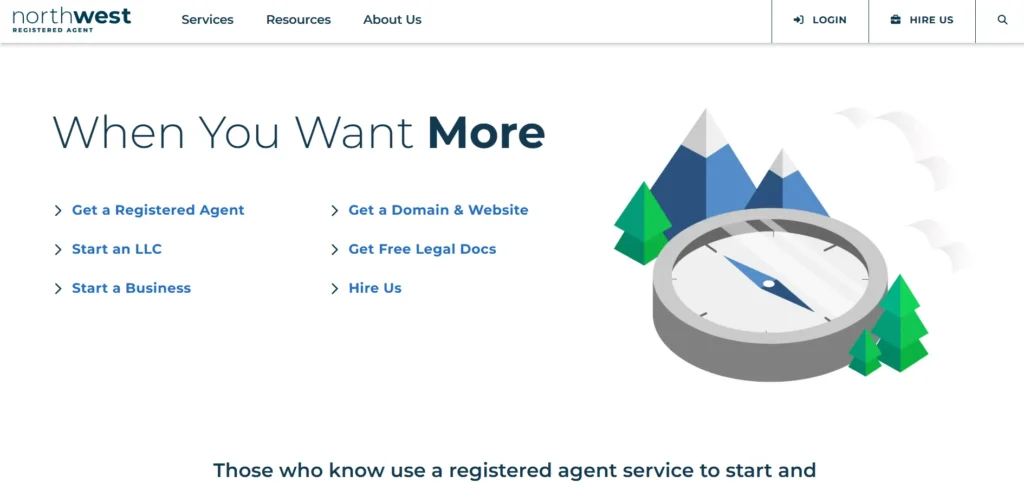
Northwest Registered Agent is widely respected for its privacy protection and customer support. Unlike many competitors, the company focuses on straightforward pricing without heavy upselling.
Key benefits include:
• Excellent customer support from knowledgeable staff
• Strong privacy protection for business owners
• Free registered agent service for the first year with formation packages
• Transparent pricing structure
• Fast document processing
Many entrepreneurs appreciate the company’s focus on helping business owners understand the formation process rather than pushing unnecessary add ons.
2. ZenBusiness

ZenBusiness has quickly become one of the most popular LLC formation services for small businesses and startups.
Its platform is designed to be beginner friendly, and the company offers affordable pricing tiers for different needs.
Popular features include:
• Affordable starter packages
• Compliance monitoring tools
• Operating agreement templates
• Business website and domain options
• Ongoing customer support
ZenBusiness is often recommended for entrepreneurs who want an easy to use service with a wide range of additional business tools.
3. LegalZoom

LegalZoom is one of the most recognizable names in the online legal services industry. The company has helped millions of entrepreneurs start businesses and handle legal paperwork.
Advantages include:
• Strong brand reputation
• Large library of legal resources
• Access to legal professionals
• Multiple business formation services
• Well established customer support system
Although LegalZoom is typically more expensive than other services, many entrepreneurs choose it because of its experience and reputation.
4. Bizee (formerly Incfile)

Bizee, previously known as Incfile, is known for offering affordable LLC formation packages. The company has helped form hundreds of thousands of businesses across the United States.
Key features include:
• Free LLC formation package (state fee not included)
• Free registered agent service for the first year
• Easy to use online dashboard
• Lifetime company alerts for compliance reminders
• Fast processing times
For budget conscious entrepreneurs, Bizee remains one of the most attractive options available.
5. Tailor Brands

Tailor Brands is slightly different from traditional LLC formation companies because it combines business formation with branding tools.
Entrepreneurs can create logos, build websites, and develop brand assets alongside their LLC formation.
Popular features include:
• Logo design tools
• Website building platform
• Brand identity services
• LLC formation packages
• Social media branding tools
This service is often appealing for new entrepreneurs who want both business formation and branding support in one place.
Each of these services has its own strengths, and users often compare features like pricing, turnaround time, customer service, and extras like compliance alerts or document storage.
What Happens After Your LLC Is Approved?
Once the state approves your filing, your business is officially active.
However, there are still a few responsibilities you must handle to keep the LLC in good standing.
Annual Report Filing
Every LLC in New Jersey must file an annual report.
This report updates the state on your business information such as address and registered agent.
The filing fee is $75 and must be submitted each year on the anniversary month of your LLC formation.
Failing to file the report can eventually lead to administrative dissolution of your company.
Business Taxes
LLCs are generally taxed as pass through entities, but tax obligations can vary depending on the number of members and the elections made with the IRS.
Single member LLCs usually report profits on the owner’s personal tax return.
Multi member LLCs typically file partnership tax returns.
Some businesses choose to elect corporate taxation for strategic reasons.
Working with an accountant can help ensure you stay compliant and optimize your tax strategy.
Conclusion
Starting an LLC in New Jersey is one of the most practical ways to launch a small business in 2026.
The process is relatively simple, the costs are manageable, and the legal protections can give entrepreneurs valuable peace of mind.
By following the steps in this guide, you can move from idea to legally registered business in a short amount of time.
The key steps include choosing a compliant business name, appointing a registered agent, filing your Certificate of Formation, creating an operating agreement, obtaining an EIN, and registering for state taxes.
While you can handle everything yourself, many entrepreneurs choose to use professional LLC formation services to simplify the process and reduce mistakes.
Once your LLC is approved, staying organized with annual reports and taxes will help your business remain compliant and ready for growth.
FAQs
How long does it take to start an LLC in New Jersey?
Online filings are often processed within a few business days. Mail filings may take longer depending on processing times.
Can I start an LLC in New Jersey by myself?
Yes. A single person can form and own an LLC. This structure is called a single member LLC.
Do I need an operating agreement for my LLC?
New Jersey does not legally require one, but it is strongly recommended to define ownership and management rules.
Do I need a registered agent for my LLC?
Yes. Every New Jersey LLC must have a registered agent with a physical address in the state.
Can I run my LLC from home?
Yes. Many small businesses and freelancers operate their LLCs from home, though local zoning rules may apply depending on your location.