




Starting an LLC in Connecticut is one of the most common ways entrepreneurs turn their business ideas into a real company.
An LLC protects your personal assets, gives you flexibility with taxes and management, and is relatively simple to create.
Still, there are specific steps you need to follow and decisions you’ll have to make along the way.
In this guide you’ll find everything from the name you choose to the forms you file and the choices you’ll face after your LLC is approved.
I’ll break it down in simple language that you can follow even if you’re brand new to starting a business.
Costs Summary
Before you begin, here’s a quick table showing the main fees you’ll likely pay when forming your Connecticut LLC.
| What You’re Paying For | Typical Cost |
|---|---|
| Certificate of Organization (state filing) | $120 |
| Name Reservation (optional) | $60 |
| Registered Agent (annual, if using a service) | $0 to $300+ |
| Connecticut Annual Report | $80 |
| EIN from the IRS | Free |
These are the core fees. You may also pay extra if you hire professionals like an attorney or accountant, or if you need special licenses.
Steps to forming an LLC in Connecticut
Creating an LLC is a step-by-step process. Each step matters, so take your time and follow through.
1. Search Your LLC Name
Your name is your first decision and it matters. Connecticut requires your LLC name to be unique and easily distinguishable from other business names already registered in the state.
A few simple rules about names:
- Your name must include “Limited Liability Company,” “LLC,” or “L.L.C.” somewhere in it.
- It must not be too similar to another entity already registered in Connecticut.
- It must not imply connection to a government agency.
- Words suggesting specific professional services may have extra requirements.
You can do a search in the Connecticut business database to make sure your name isn’t already taken.
If you want, you can reserve your name before you file paperwork so that no one else grabs it while you prepare your LLC filings.
Requirements for LLC names in Connecticut
Here’s what your LLC name must satisfy:
• Include an appropriate LLC designation like “LLC.”
• Be different from all other registered business names in the state.
• Not mislead by suggesting the business is something it’s not.
• Follow Connecticut naming rules for any restricted professional terms if you use them.
2. Choose a Connecticut Registered Agent
Every Connecticut LLC must have a registered agent. This is a designated person or company that receives official correspondence, like legal notices or state mail, on behalf of your business.
This requirement exists so there’s always a reliable way for the state and courts to contact your business.
Who can be a registered agent?
To qualify as a registered agent in Connecticut, the person or company must:
• Be at least 18 years old.
• Have a physical street address in Connecticut (not a P.O. box).
• Be available during normal business hours to receive mail and official papers.
If you want to save money, you can serve as your own registered agent. Just be sure you are available at your listed address during business hours.
Alternatively, you can hire a professional registered agent service. That is helpful if you don’t want your home address public or prefer someone else handle formal mail.
3. File a Certificate of Organization
The Certificate of Organization is the official form you file with Connecticut’s Secretary of State to legally create your LLC. Think of this as the birth certificate of your business.
You’ll provide basic but essential information about your company so the state can register it.
Information needed:
When you file, be ready to provide:
• Your LLC’s legal name.
• The principal business address.
• The registered agent’s name and Connecticut address.
• Names and addresses of the members or the organizer.
Take your time with this form because errors can delay approval.
Filing fee:
Connecticut charges a flat state fee to file your Certificate of Organization. It is $120.
Processing time:
Processing times vary depending on whether you file online or by mail. Online filings tend to be completed faster, sometimes within just a few business days.
4. Create an LLC Operating Agreement
Connecticut does not require you to file an operating agreement with the state, but having one is a very good idea. This internal document lays out how your business will operate and how decisions are made.
An operating agreement is especially important if your LLC has more than one owner. It can also protect your limited liability status by demonstrating that your business is separate from your personal affairs.
What should be in an Operating Agreement?
Because this is an internal tool, it does not get filed with any government. Still, it should cover:
• Who owns what percentage of the business.
• How profits and losses are divided.
• Member or manager responsibilities and roles.
• Voting rights and decision-making processes.
• What happens if a member leaves or someone new joins.
Even if you’re a sole owner, writing an operating agreement helps clarify your business structure and intentions.
5. Get an EIN for Your LLC
An Employer Identification Number (EIN) is like a Social Security number for your business. You need it for tax purposes, to hire employees, and to open a business bank account.
The good news is that you can obtain an EIN at no cost from the IRS. The process is straightforward, and approvals are usually immediate.
Most banks will require an EIN to open a business account, so don’t skip this step.
Recommended LLC Services in Connecticut
If you want help forming your LLC, registered agent support, or ongoing compliance, consider these popular options:
1. Northwest Registered Agent
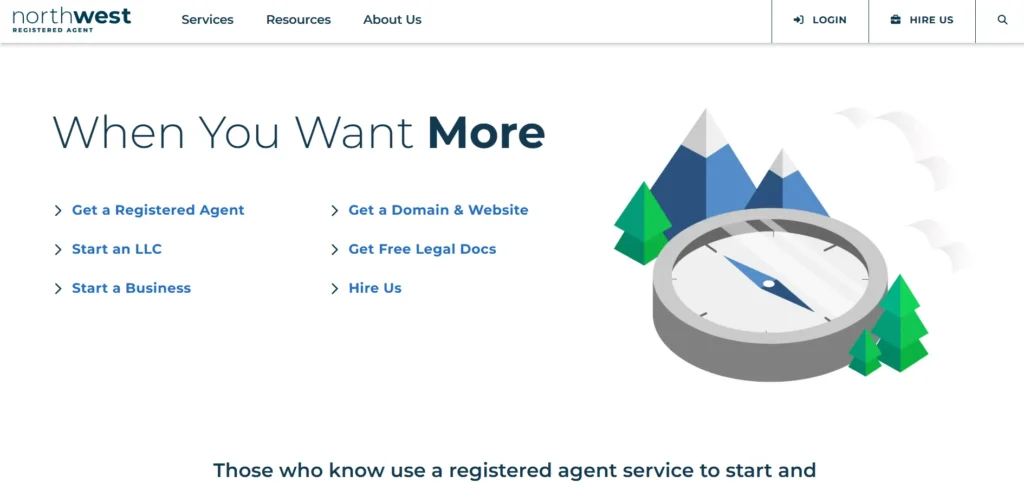
Northwest Registered Agent is widely respected for its privacy protection and customer support. Unlike many competitors, the company focuses on straightforward pricing without heavy upselling.
Key benefits include:
• Excellent customer support from knowledgeable staff
• Strong privacy protection for business owners
• Free registered agent service for the first year with formation packages
• Transparent pricing structure
• Fast document processing
Many entrepreneurs appreciate the company’s focus on helping business owners understand the formation process rather than pushing unnecessary add ons.
2. ZenBusiness

ZenBusiness has quickly become one of the most popular LLC formation services for small businesses and startups.
Its platform is designed to be beginner friendly, and the company offers affordable pricing tiers for different needs.
Popular features include:
• Affordable starter packages
• Compliance monitoring tools
• Operating agreement templates
• Business website and domain options
• Ongoing customer support
ZenBusiness is often recommended for entrepreneurs who want an easy to use service with a wide range of additional business tools.
3. LegalZoom

LegalZoom is one of the most recognizable names in the online legal services industry. The company has helped millions of entrepreneurs start businesses and handle legal paperwork.
Advantages include:
• Strong brand reputation
• Large library of legal resources
• Access to legal professionals
• Multiple business formation services
• Well established customer support system
Although LegalZoom is typically more expensive than other services, many entrepreneurs choose it because of its experience and reputation.
4. Bizee (formerly Incfile)

Bizee, previously known as Incfile, is known for offering affordable LLC formation packages. The company has helped form hundreds of thousands of businesses across the United States.
Key features include:
• Free LLC formation package (state fee not included)
• Free registered agent service for the first year
• Easy to use online dashboard
• Lifetime company alerts for compliance reminders
• Fast processing times
For budget conscious entrepreneurs, Bizee remains one of the most attractive options available.
5. Tailor Brands

Tailor Brands is slightly different from traditional LLC formation companies because it combines business formation with branding tools.
Entrepreneurs can create logos, build websites, and develop brand assets alongside their LLC formation.
Popular features include:
• Logo design tools
• Website building platform
• Brand identity services
• LLC formation packages
• Social media branding tools
This service is often appealing for new entrepreneurs who want both business formation and branding support in one place.
Each of these services has its own strengths, and users often compare features like pricing, turnaround time, customer service, and extras like compliance alerts or document storage.
When evaluating any service, look for recent reviews and pay attention to renewal fees so you know what annual costs to expect.
What Do I Do After My LLC is Approved?
Once the state approves your LLC, your business officially exists. But there are still important tasks to handle so you stay compliant and positioned for growth.
How Much Does a Connecticut Annual Report Cost?
Each Connecticut LLC must file an annual report every year. This is not optional. The fee for this report is $80.
This report updates the state on your contact information, registered agent, and basic company details.
When is the Annual Report Due?
Connecticut requires the annual report to be filed by March 31 of every year following the year your LLC was formed.
Missing this deadline can lead to penalties or loss of good standing with the state.
How Do I File My LLC Annual Report?
You file the annual report through Connecticut’s business filing system. Most LLC owners find online filing is faster and easier than mail.
Set reminders so you don’t miss the March 31 deadline each year.
How Will My LLC Be Taxed?
By default, Connecticut treats LLCs as pass-through entities for federal tax purposes. That means the business itself does not pay income tax. Instead, profits and losses pass through to the owners’ personal tax returns.
Your options include:
• Single-member LLC – taxed like a sole proprietorship.
• Multi-member LLC – taxed like a partnership.
• LLC electing corporate taxation – you can choose S corporation or C corporation tax status if it benefits your situation.
Choosing the right tax classification can have significant financial impact. It’s often worth talking with an accountant who understands small businesses.
Other Things to Consider
A registered LLC and annual reports are foundational, but business success often depends on good planning beyond paperwork.
1. Get a Business Bank Account
Once your LLC has an EIN and approved formation documents, open a separate business bank account. Keeping your business and personal finances distinct protects your liability and simplifies bookkeeping.
A business account also makes it easier to accept payments, track expenses, and build a financial history for your company.
2. Apply for Business Licenses and Permits
Depending on your industry or location, you may need specific licenses or permits to operate legally. Requirements vary by city and profession.
Before you open for business, check with your local city hall or state licensing boards to make sure you are compliant.
3. Keep Business Records Organized
From your operating agreement to bank statements and tax filings, good records help you stay on track, make smart financial decisions, and avoid surprises at tax time.
Invest in simple software or a filing system that works for you right from the beginning.
4. Consider Business Insurance
Insurance isn’t required for all LLCs, but having coverage like general liability or professional liability can protect your business from claims and liabilities that could otherwise be devastating.
Talk with an insurance agent about your specific risks and what policies make sense for you.
5. Hiring Employees? Understand the Rules
If you plan to hire employees, there are additional rules and registrations you must complete.
This includes employer tax accounts, withholding registration, unemployment insurance, and compliance with labor laws.
Take time to understand these obligations before you bring on staff.
Final Thoughts
Forming an LLC in Connecticut is structured but manageable. Break the process down into steps and tackle them one at a time.
Don’t rush your name choice and planning documents, because those decisions set the tone for your business.
Using an LLC service can help streamline the process and keep your compliance on track, but you can also do most of this yourself if you’re comfortable with forms and online filing.
Whatever path you take, staying organized and informed will make your first year as a Connecticut LLC smoother.
FAQs
Do I have to live in Connecticut to form an LLC here?
No. You can form a Connecticut LLC even if you live in another state or country. The key requirement is that you have a registered agent with a physical address in Connecticut.
Can I form an LLC myself without a service?
Yes. Many small business owners file their LLC directly with the state without using paid services. It saves money and is straightforward if you follow the steps carefully.
Is a registered agent required?
Yes. Connecticut requires every LLC to designate a registered agent with a Connecticut address. You can serve as your own agent or hire a service to handle it for you.
How long does forming an LLC take?
It depends on how you file. Online filings are usually processed in a few business days. Paper filings take longer.
What happens if I miss the annual report deadline?
Failing to file your annual report by March 31 can lead to penalties and the risk that your LLC loses good standing with the state. That can affect your liability protections and ability to do business. Always file on time.